Protecting DeLand Tree Canopy: Why Smart Tree Care Matters for Local Homeowners
@getdelandtreecanopyspot
When I bought my first house in DeLand, Florida, I didn't think much about the old oak tree in the front yard. It was big, it was shady, and it looked like it had been there long before the street was paved. It took a summer thunderstorm and a cracked branch landing on my driveway to make me realize that trees, as beautiful as they are, need attention. That experience led me to learn more about the DeLand tree canopy and the balance between preserving what's natural and keeping a home safe.
Living in DeLand means living among trees. The city is known for its mature shade trees, winding streets lined with live oaks, and a landscape that feels more like a forest than a subdivision. That's part of what makes this area special. But when you share your property with large trees, you also share the responsibility of maintaining them. The DeLand tree canopy is not just a scenic backdrop. It's a living system that affects everything from your home's foundation to your risk of storm damage.
Why Tree Preservation and Tree Removal Go Hand in Hand
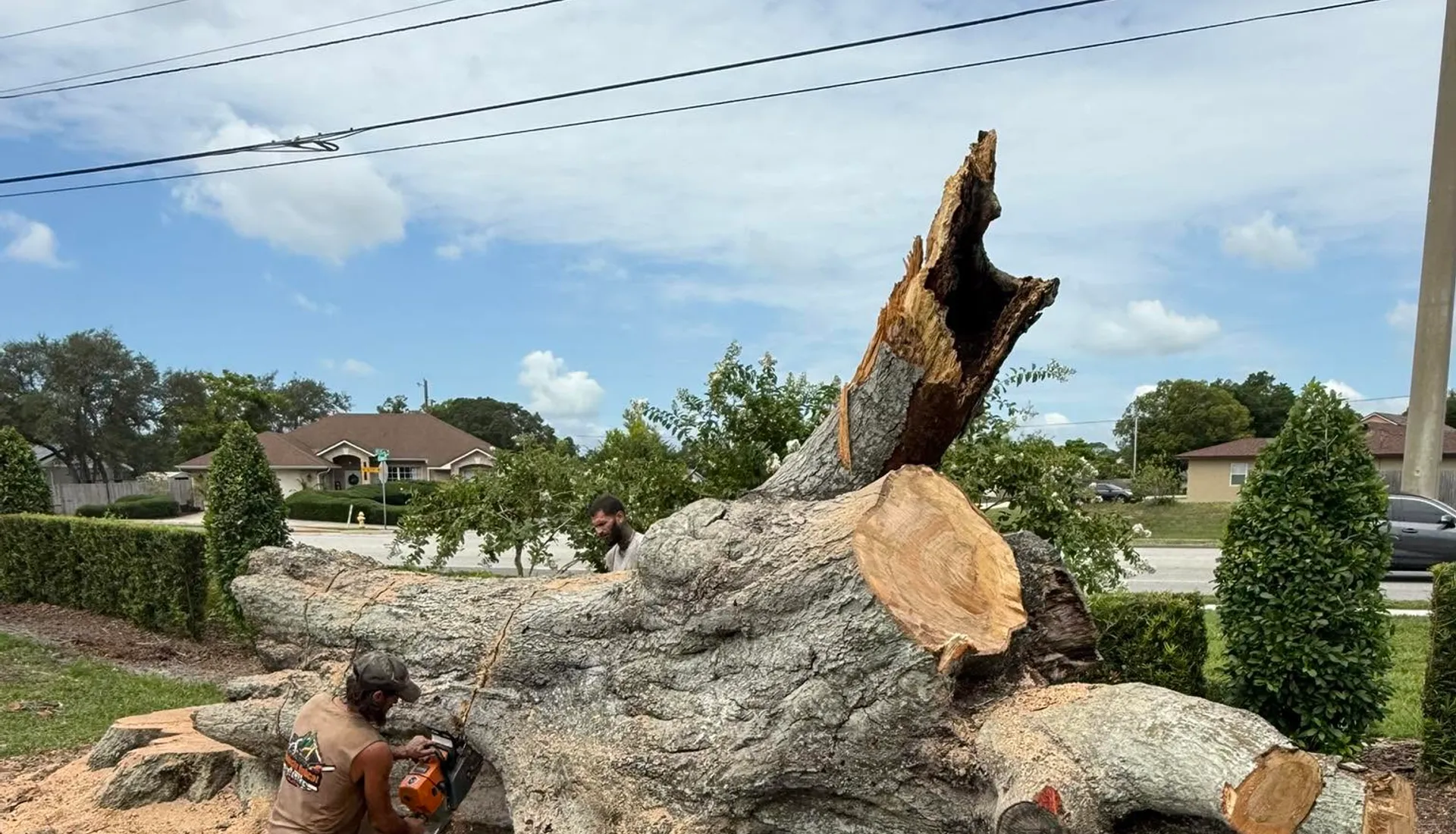
There's a common misconception that tree removal is the opposite of tree preservation. In reality, removal is sometimes the most responsible preservation choice. A dying oak tree that drops limbs across a driveway is a hazard to people and to the other plants around it. Removing it the right way, with a proper site assessment, can save the rest of the landscape. I've seen cases where a single stressed tree compromised the root systems of several healthy ones nearby. That's where professional judgment matters.
An ISA certified arborist can evaluate the health of a tree and determine whether removal, pruning, or something else is the best path forward. That evaluation is especially important in DeLand because of the mix of native species and the local climate. The City of DeLand has specific regulations around tree removal, especially for oak trees and other protected species. You can't just cut down a large tree on a whim. You may need a tree permit, and you definitely need a plan that takes the surrounding landscape into account.
The Role of Site Assessments in Urban Forestry
A thorough site assessment looks at more than just the tree in question. It considers the soil, the proximity to structures, the slope of the land, and the health of nearby plants. In DeLand, where the water table is high and the soil can be sandy, the root system of a tree might extend far beyond what you see above ground. That matters when you're planning a removal because you don't want to destabilize the ground around your house or your neighbor's property.
I once watched a team from a local tree service prepare for a removal near a historic home in DeLand. They spent nearly an hour walking the property, noting where the roots had grown under the sidewalk, checking the angle of the trunk, and marking the safe zones for equipment. That kind of preparation is what separates a safe job from a risky one. It's also what keeps the rest of the canopy cover intact. If you damage the root system of a neighboring tree during removal, you might create a problem that didn't exist before.
Emergency Tree Service After Storms
Hurricane season in Florida is a reality every homeowner knows. And when a storm rolls through, the trees that once provided shade and beauty can become the biggest threat to your home. Emergency tree service is not just about cutting up fallen branches. It's about stabilizing a situation quickly without causing more harm. A downed tree that's leaning on a house needs careful removal to prevent additional structural damage. That's when you want someone who knows how to work under pressure and understands the local terrain.
After Hurricane Ian, I saw crews working in DeLand for days clearing roads and removing trees that had crushed roofs and fences. The ones who did it right were the ones who took time to assess each tree's position before cutting. They used crane-assisted removals when needed, and they protected the remaining trees on the property whenever possible. Storm damage is stressful, but a good emergency response can save a lot of heartache and money.
Stump Grinding and What Comes After Removal
Once a tree is down, the stump is often an afterthought. But leaving a stump in the ground can attract pests, create a tripping hazard, and make it hard to replant or landscape that area. Stump grinding is a straightforward process, but it pays to have it done right. A deep grind, at least six to eight inches below grade, ensures that the stump won't sprout new growth and that you can plant something new in its place.
I've heard stories of people who tried to grind stumps themselves with rented equipment. More often than not, they ended up with a half-ground stump and a broken machine. Hiring a professional who understands the root system and the soil conditions in DeLand is a better investment. After the grind, you have a clean space that can be filled with soil and replanted with native species that support local wildlife and require less water.
Navigating DeLand's Tree Regulations
The City of DeLand takes its tree canopy seriously. The municipal code includes protections for heritage trees, which are usually defined as certain species above a specific trunk diameter. If you're planning to remove a large tree on your property, you may need a tree permit before you start. The permit process typically requires documentation from an ISA certified arborist and a plan for mitigation, such as planting replacement trees elsewhere on the property or paying into a city fund for urban forestry projects.
Some homeowners find this frustrating, but I see it as a way to keep DeLand's character intact. If every person removed trees without oversight, the city would lose the very thing that makes it attractive. That said, the regulations are not meant to prevent removal when it's genuinely needed. They're meant to make sure that removal is a last resort, considered carefully, and done in a way that minimizes harm to the overall landscape.
Balancing Canopy Cover with Property Safety
There's no perfect formula for deciding when to remove a tree. Each situation is different. A healthy oak tree that's positioned far from the house is a treasure. But an oak tree with a hollow trunk, leaning toward the roof, with roots that are lifting the foundation? That tree is a liability. The DeLand tree canopy is only as strong as its weakest members. Removing a dangerous tree can actually improve the health of the surrounding trees by giving them more light, water, and space to grow.
One of the best things a homeowner can do is schedule regular inspections. An arborist can spot early signs of disease, decay, or structural weakness before they become emergencies. That kind of proactive care costs less than emergency removal, and it buys you time to make a thoughtful decision. If the tree can be saved with pruning or cabling, that's often the better option. If removal is the only safe path, you'll have the information you need to plan for it.
In DeLand, the urban forestry program provides resources for residents who want to learn more about caring for their trees. The city also offers guidance on which native species to plant if you're replacing a removed tree. Live oaks, southern magnolias, and hickories are all good choices that will grow into strong, long-lived parts of the canopy cover. Planting a tree that's suited to the local climate reduces the need for future removal.
Final Thoughts on Caring for Your Trees
Living in a place with a rich tree canopy is a privilege. It takes work to preserve it, but that work is worth it. Whether you're dealing with storm damage, planning a removal, or just trying to keep your yard healthy, the key is to approach each decision with knowledge and respect for the system that surrounds you. The DeLand tree canopy is a shared resource, and every property owner plays a part in protecting it. If you're unsure about a tree on your property, call an ISA certified arborist for a site assessment. It's the smartest step you can take, and it's one that will benefit your home and your community for years to come.